
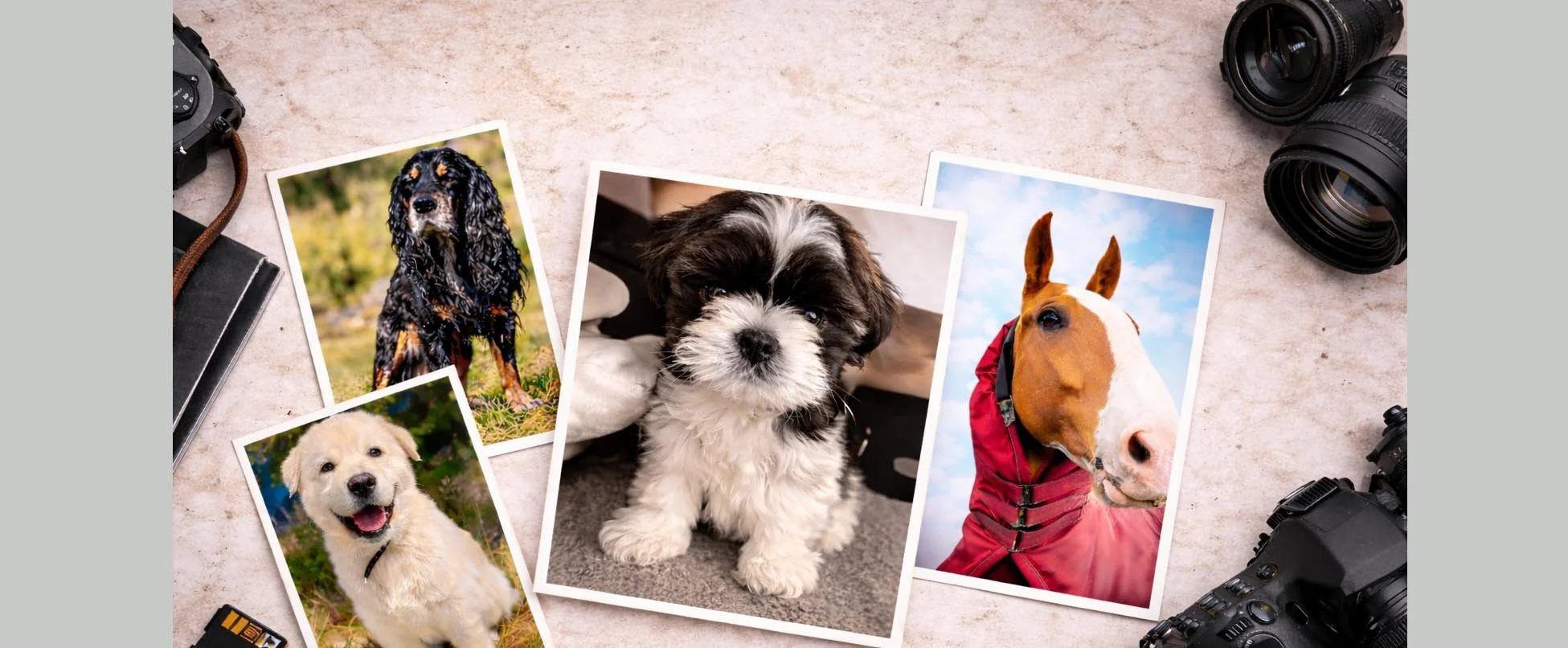
Pet Photography Guide: How to Take the Perfect Photo
Essential Photography Tips for Pet Portraits
The quality of your reference photo plays an important role in creating a beautiful and accurate pet portrait. Clear, natural images allow me to study the fine details that make your pet unique, from the texture of their fur to the expression in their eyes.
If you already have a photo you would like me to work from, you can upload it through the contact page and I will review it for you. If you're unsure whether your image will work, feel free to send a few options and I can help choose the best reference for your custom artwork.
Use Natural Light
Photograph your pet in daylight near a window or outdoors for the most accurate colours and natural detail.
Get to Eye Level
Crouch down so your camera is level with your pet’s eyes to create a natural portrait perspective.
Focus on the Eyes
Sharp, well-lit eyes help capture expression and personality.
Step Back and Zoom
Standing slightly further away helps avoid lens distortion.
Capture Personality
A relaxed expression or natural pose often creates the most meaningful portrait.
Send Original Images
Please send full-size photos rather than screenshots so detail is preserved.
Use Your Phone’s Back Camera
The back camera on your phone captures much higher quality images than selfie mode.
Avoid Filters or Flash
Please avoid filters or heavy editing so colours remain natural.
Send Multiple Photos
If possible provide a few images so the best reference photo can be chosen.
Choosing the Right Photo for a Pet Portrait
Choosing the right photograph is one of the most important steps in creating a beautiful and accurate pet portrait. Providing a small selection of images often allows the best reference to be chosen.
Pets move quickly and expressions change constantly, so having a variety of images makes it easier to select a photo where the eyes are clear and the lighting is natural.
Clear, well-lit photographs allow the portrait to capture the details that make your pet special, from fur texture to subtle colour variations and expression.
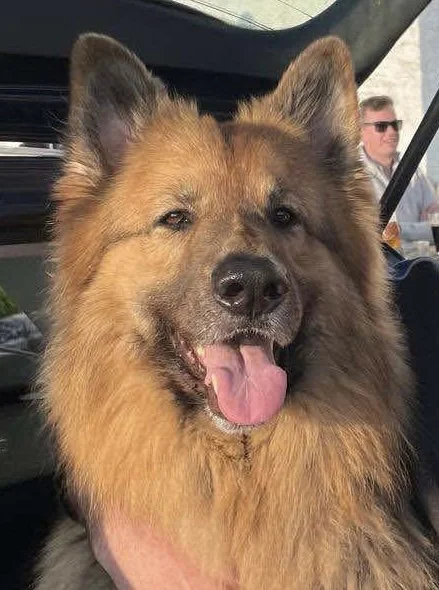
Step Back and Focus
Standing slightly further away from your pet and using your camera’s zoom can make a significant difference to the final image.
Photos taken too close can distort proportions, making features such as the nose appear larger.
Stepping back slightly creates a more balanced perspective and keeps your pet’s proportions natural.
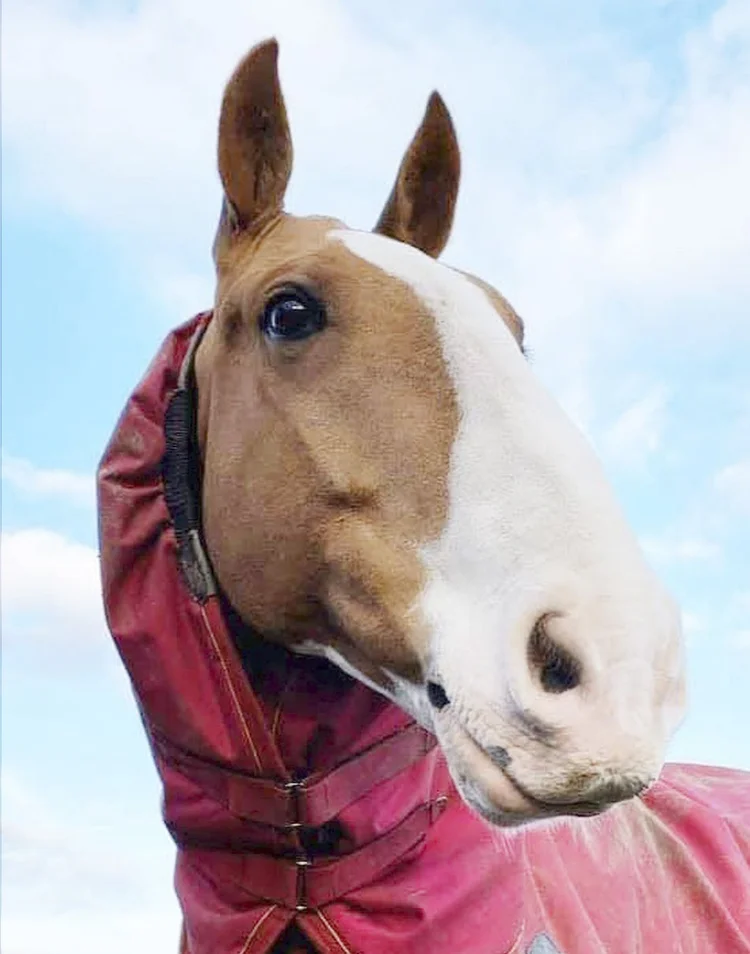
Focus on the Eyes
The eyes are the most expressive feature of any animal and often become the focal point of a portrait.
Natural daylight helps create gentle highlights in the eyes which bring warmth and life to the artwork.
Clear, well-lit eyes allow the finished portrait to feel vibrant and full of character.
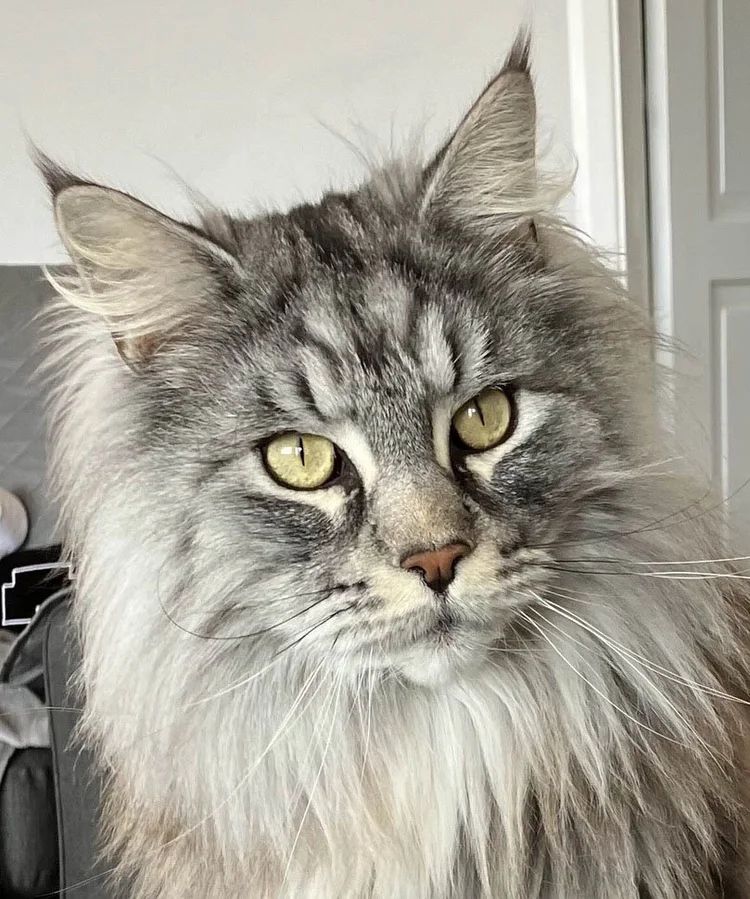
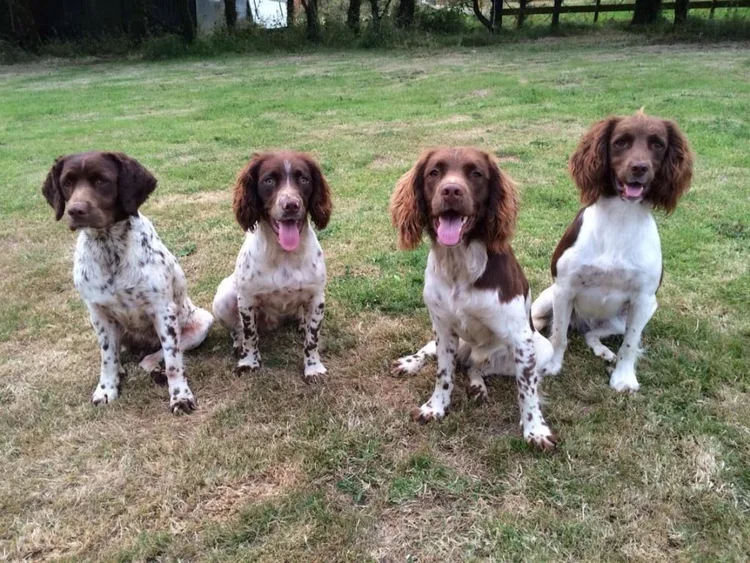
Multiple Pets in One Portrait
Capturing multiple pets together in one photograph can sometimes be difficult.
Providing separate photos of each pet often works perfectly and allows them to be combined naturally in the finished portrait.
If your pet has sadly passed away and you only have older photographs, please don’t worry. A meaningful portrait can often still be created from existing images.
-
A good reference photo should be clear, sharp and taken at your pet’s eye level. The most important area is the eyes, as this is where personality and expression come through in the portrait. Natural lighting, good focus and visible detail in the fur or coat will help produce the most accurate and lifelike result.
Avoid blurry photos or images taken from far away.
-
Natural light usually produces the best results for reference photos. Photographing your pet outdoors or near a window helps capture more natural colours and better detail in the fur.
Artificial indoor lighting can sometimes create colour casts or harsh shadows, which can make it harder to capture accurate tones in the portrait.
-
The best angle is usually at your pet’s eye level, rather than photographing them from above. This creates a more natural perspective and allows their facial features and expression to be captured clearly.
Photos taken from above can distort proportions and hide important details
-
No. Most modern smartphones take perfectly suitable photos for portrait references. The key factors are good lighting, sharp focus and clear detail, rather than the type of camera used.
A well-lit phone photo is often better than a poorly lit image taken with an expensive camera
-
If you would like multiple pets included in one portrait, you can photograph them together or separately. If photographing them individually, try to take the photos from a similar angle and lighting so they can be combined naturally in the final artwork.
If you're unsure, you can send several photos and guidance can be given on the best options
-
Most common formats work perfectly well, including JPEG, PNG or smartphone photos. The most important factor is that the image is high resolution and not compressed too heavily.
If possible, send the original image file rather than a screenshot
-
Yes. If you're unsure which image would work best, you can send several photos and advice will be provided on the most suitable option. Choosing the right reference photo is one of the most important parts of creating a successful portrait
-
Many pets won’t sit perfectly still, and that’s completely normal. Try taking several photos in good natural light, using treats or toys to help get their attention.
Often the best reference photo comes from one clear moment captured among several shots.
-
It’s helpful to send 2–5 photos if possible. This allows the best reference image to be selected and can also provide extra detail if certain areas are not perfectly visible in one photo.
More reference material often helps ensure the final portrait captures your pet accurately.